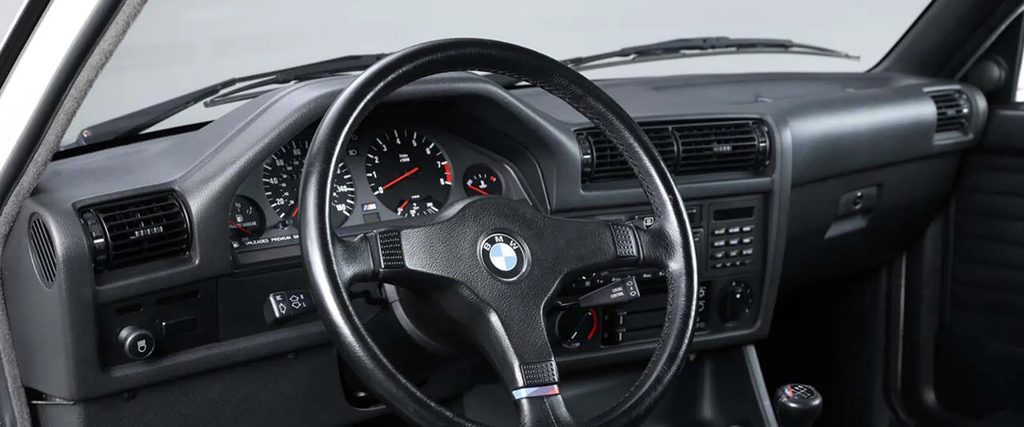
BMW instrument clusters from the 1980s and 1990s commonly use mechanical odometer gear systems manufactured by VDO or MotoMeter.
After several decades, the original plastic gears can become brittle, crack or lose teeth. A typical symptom is an odometer or trip counter that stops working while the speedometer continues to operate normally.
BMW models commonly affected
PartsLunacy focuses on classic BMW instrument cluster repair information, including:
- BMW E30
- BMW E28
- BMW E34
- VDO instrument clusters
- MotoMeter instrument clusters
- Odometer and trip counter mechanisms
VDO or MotoMeter?
Before replacing any gear, identify the manufacturer of the instrument cluster.
BMW used both VDO and MotoMeter mechanisms. These systems can use different gears even when fitted to the same vehicle model.
Do not order replacement parts based only on the vehicle year or model.
Common odometer problems
Typical failures include:
- Odometer no longer counting
- Trip counter stopped
- Missing or broken gear teeth
- Cracked gear centres
- Gears slipping on their shafts
- Old plastic fragments blocking the mechanism
If the speedometer still works but the mileage counter does not, the odometer gear train should be inspected.
Identifying the correct gear
Before removing damaged parts, take clear photographs of the mechanism.
Record:
- Manufacturer: VDO or MotoMeter
- Number of teeth
- Single or compound gear
- Gear position
- Shaft type
- Any brass bushing
- Instrument cluster reference numbers
Small differences between gears can make them incompatible.
BMW E30 MotoMeter
Several BMW E30 MotoMeter configurations exist.
A common configuration uses multiple compound gears and a small drive gear. Different versions may use different tooth counts depending on the cluster reference and vehicle market.
See our detailed guide:
BMW E30 MotoMeter Odometer Gear Repair
BMW VDO clusters
VDO instrument clusters also use several different gear combinations.
Before replacing the gears, compare the complete mechanism and count the teeth of the original parts.
Repairing the mechanism
When replacing damaged gears:
- Remove all broken plastic fragments
- Check that every shaft turns freely
- Inspect all remaining gears
- Compare new and original parts
- Rotate the mechanism manually before reassembly
- Avoid forcing gears onto shafts
Need help identifying a BMW odometer gear?
If you cannot identify the mechanism, take clear photographs of:
- the complete instrument cluster
- the manufacturer marking
- the complete gear train
- the damaged gear
- any reference numbers
PartsLunacy is being developed as an independent technical resource for classic vehicle repair and hard-to-find components.